Behind the Scenes: Our Sandblasting Engraving Process
- artinthecellar6
- Dec 14
- 3 min read
Engraving is an art form that transforms ordinary materials into extraordinary pieces. At our workshop, we specialize in sandblasting engraving, a technique that combines precision and creativity to produce stunning results. In this post, we will take you behind the scenes of our sandblasting engraving process, exploring the steps we take to ensure quality and craftsmanship in every piece we create.
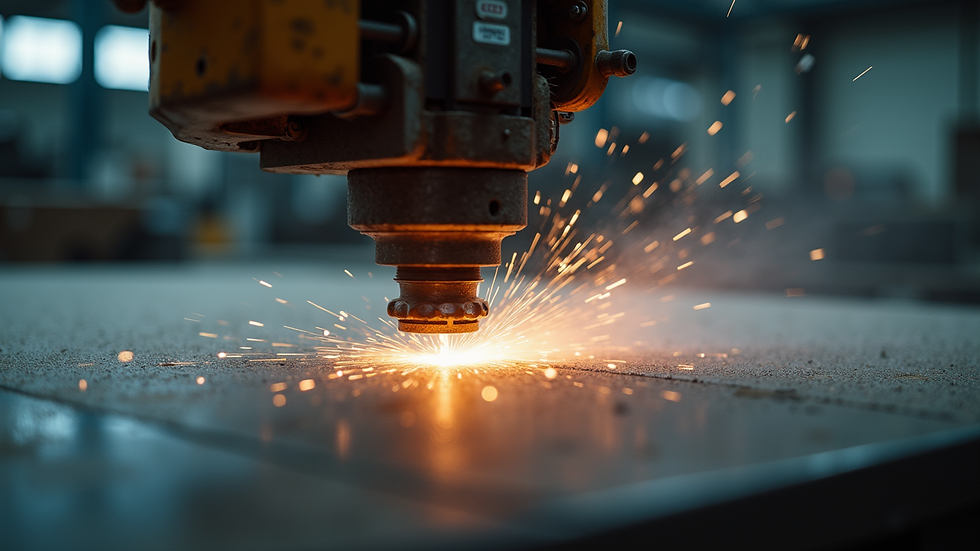
Understanding Sandblasting Engraving
Before diving into the process, it’s essential to understand what sandblasting engraving is. This technique involves using high-pressure air to propel abrasive materials, such as sand, against a surface. The impact of the abrasive material etches or engraves the design onto the surface, allowing for intricate details and textures.
Why Choose Sandblasting?
Sandblasting offers several advantages over other engraving methods:
Versatility: It can be used on various materials, including glass, metal, wood, and stone.
Precision: The technique allows for fine details and complex designs.
Durability: Engravings made through sandblasting are long-lasting and resistant to wear.
The Sandblasting Engraving Process
Step 1: Design Creation
The first step in our sandblasting engraving process is creating the design. This involves collaborating with our clients to understand their vision. We use graphic design software to create a digital mockup of the engraving, ensuring that every detail is captured accurately.
Step 2: Material Selection
Once the design is finalized, we select the appropriate material for the engraving. Depending on the project, we may choose glass, metal, or stone. Each material has its unique properties that affect the engraving process and final appearance.
Step 3: Preparing the Surface
Preparation is crucial for achieving a high-quality engraving. We clean the surface thoroughly to remove any dust, grease, or contaminants. This step ensures that the sandblasting process adheres properly to the material, resulting in a clean and precise engraving.
Step 4: Masking the Design
To protect areas of the material that should remain untouched, we apply a masking material. This could be a vinyl stencil or a special tape that outlines the design. The masking ensures that only the intended areas are engraved during the sandblasting process.
Step 5: Sandblasting
With the design masked and the surface prepared, it’s time for the main event: sandblasting. We load the sandblasting machine with the chosen abrasive material and adjust the pressure settings based on the material and design complexity. The machine then propels the abrasive material at high speed, etching the design into the surface.
Step 6: Finishing Touches
After the sandblasting is complete, we remove the masking material and inspect the engraving for quality. Any rough edges or imperfections are smoothed out, and we may apply additional treatments, such as polishing or coating, to enhance the final appearance.
Step 7: Quality Control
Quality control is a vital part of our process. Each piece undergoes a thorough inspection to ensure it meets our high standards. We check for clarity, detail, and overall craftsmanship before the piece is packaged and shipped to the client.
Applications of Sandblasting Engraving
Sandblasting engraving is used in various applications, including:
Personalized Gifts: Items like glassware, trophies, and plaques can be customized for special occasions.
Architectural Features: Engraved stone or glass can enhance the aesthetic of buildings and monuments.
Industrial Marking: Companies often use sandblasting to mark equipment and tools for identification.
Tips for Choosing a Sandblasting Engraving Service
When selecting a sandblasting engraving service, consider the following tips:
Experience: Look for a company with a proven track record in sandblasting engraving.
Portfolio: Review their previous work to gauge their style and quality.
Customer Reviews: Check testimonials from past clients to understand their experiences.
Customization Options: Ensure the service can accommodate your specific design needs.
Conclusion
Our sandblasting engraving process is a blend of artistry and technology, resulting in unique pieces that stand the test of time. From the initial design to the final quality check, each step is executed with care and precision. If you’re looking to transform your ideas into tangible works of art, consider sandblasting engraving as your go-to solution. Reach out to us today to discuss your project and see how we can bring your vision to life!


Comments